10 Common Real Estate Photography Mistakes and How to Avoid Them
Even small photography mistakes can cost you showings and lower offers. Learn the most common real estate photography errors and how professional photographers avoid them.
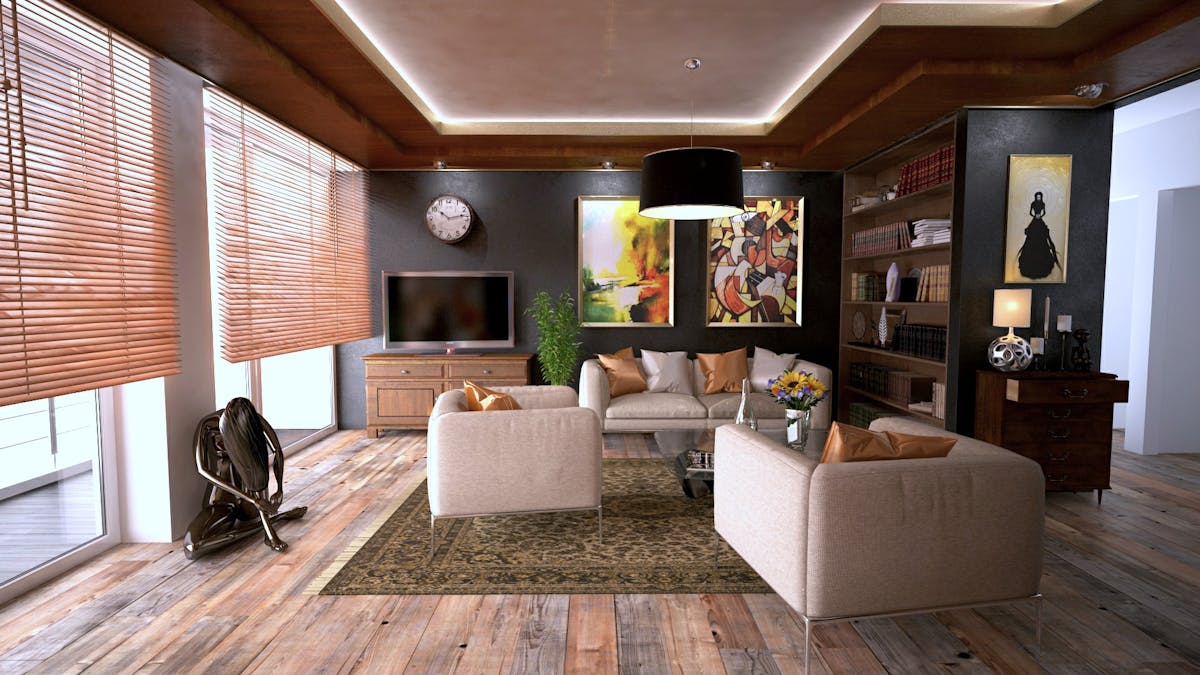
Real estate photography seems simple until you try it. While anyone can take photos with a smartphone, professional-quality images require skill, equipment, and experience. These common mistakes can make properties look less appealing and hurt your chances of attracting serious buyers.
1. Poor Lighting
The Mistake:
Taking photos with lights off, during harsh midday sun, or with unbalanced interior/exterior lighting creates dark, uninviting images or blown-out windows.
Impact: Rooms appear smaller, darker, and less welcoming. Buyers may assume the property lacks natural light.
The Solution:
- ✓ Turn on ALL lights in the property—ceiling lights, lamps, even appliances
- ✓ Use HDR (High Dynamic Range) photography to balance bright windows with darker interiors
- ✓ Schedule exterior shots during golden hour for soft, flattering light
- ✓ Use professional lighting equipment to fill shadows and create ambiance
2. Vertical Lines That Aren't Vertical
The Mistake:
Tilted cameras create distorted images where walls appear to lean inward or outward. This makes properties look unprofessional and amateurish.
Impact: Photos look careless and unprofessional, undermining trust in the listing quality.
The Solution:
- ✓ Use a tripod with a level to ensure the camera is perfectly straight
- ✓ Employ perspective correction in post-processing to straighten lines
- ✓ Use tilt-shift lenses or wide-angle lenses designed for architectural photography
3. Too Much Wide Angle Distortion
The Mistake:
Using extremely wide-angle lenses without care creates distorted "fisheye" effects where rooms look unnaturally large and furniture appears warped or tiny.
Impact: Creates unrealistic expectations and can make buyers feel deceived when they visit in person.
The Solution:
- ✓ Use appropriate focal lengths (17-24mm for most real estate photography)
- ✓ Position camera thoughtfully to capture room size without extreme distortion
- ✓ Correct lens distortion in post-processing
- ✓ Balance showcasing space with maintaining realistic proportions
4. Cluttered and Unprepared Spaces
The Mistake:
Photographing rooms with personal items, clutter, dirty dishes, unmade beds, or visible pet items creates distracting, unprofessional images.
Impact: Buyers focus on clutter instead of the property's features. The home appears neglected or poorly maintained.
The Solution:
- ✓ Clear all countertops, tables, and surfaces before the shoot
- ✓ Remove personal photos, papers, and small decorative items
- ✓ Hide pet bowls, toys, and litter boxes
- ✓ Make beds, fluff pillows, and arrange furniture neatly
- ✓ Follow our complete preparation checklist
5. Wrong Camera Height
The Mistake:
Shooting from eye level or too high/low creates unflattering perspectives. Photos look like casual snapshots rather than professional marketing materials.
Impact: Rooms appear oddly proportioned, and important features may be hidden or deemphasized.
The Solution:
- ✓ Shoot at chest height (approximately 4-5 feet) for most interior shots
- ✓ Maintain consistent height throughout the shoot for cohesive gallery
- ✓ Adjust height based on room size and ceiling height
- ✓ Use higher angles for large open spaces to show layout
6. Including the Photographer or Equipment in Mirrors
The Mistake:
Visible reflections of the photographer, camera, or tripod in mirrors, windows, or glossy surfaces look extremely unprofessional.
Impact: Immediately signals amateur photography and distracts from the property.
The Solution:
- ✓ Carefully angle shots to avoid reflective surfaces
- ✓ Use remote triggers or timers to step out of frame
- ✓ Shoot from doorways or corners to minimize reflection visibility
- ✓ Remove reflections in post-processing when necessary
7. Neglecting Outdoor Spaces
The Mistake:
Skipping or rushing exterior photos, ignoring yards, patios, or outdoor amenities undervalues significant property features.
Impact: Buyers miss out on seeing the full property value and outdoor living potential.
The Solution:
- ✓ Photograph front, back, and side exteriors during golden hour
- ✓ Showcase patios, decks, pools, and outdoor living areas
- ✓ Capture landscaping and yard features
- ✓ Consider drone photography for larger properties
8. Over-Editing or Poor Post-Processing
The Mistake:
Over-saturated colors, excessive HDR effects creating "nuclear" skies, unrealistic white balance, or heavy filters make photos look artificial and misleading.
Impact: Creates false expectations and can lead to buyer disappointment and distrust.
The Solution:
- ✓ Edit for natural, realistic color representation
- ✓ Use HDR techniques subtly to balance exposure, not create dramatic effects
- ✓ Correct white balance to show accurate lighting and colors
- ✓ Aim for clean, bright, natural-looking images
9. Inconsistent Photo Quality and Style
The Mistake:
Mixing vertical and horizontal orientations randomly, varying lighting styles between rooms, or inconsistent editing creates a disjointed gallery.
Impact: Unprofessional appearance that reduces perceived listing quality.
The Solution:
- ✓ Use consistent orientation (typically horizontal) throughout
- ✓ Maintain similar lighting style and intensity in all interior shots
- ✓ Apply consistent editing style across all images
- ✓ Create a cohesive visual story from entrance to exit
10. Not Enough Photos or Wrong Shots
The Mistake:
Taking too few photos, missing important rooms or features, or focusing on unimportant areas while skipping key selling points leaves buyers with incomplete information.
Impact: Buyers move on to listings with more complete photo galleries.
The Solution:
- ✓ Include minimum of 20-30 photos for average homes, more for larger properties
- ✓ Photograph every room from at least one angle, multiple for larger spaces
- ✓ Capture key features: fireplaces, built-ins, updated fixtures, storage
- ✓ Show logical flow through the property
- ✓ Include detail shots of quality finishes and upgrades
The Professional Difference
Professional real estate photographers have trained extensively to avoid these mistakes. They bring:
Technical Expertise:
- • Professional equipment and backup gear
- • Mastery of lighting techniques
- • Advanced post-processing skills
- • Understanding of composition and angles
Practical Advantages:
- • Efficiency and speed
- • Eye for detail and potential issues
- • Fast turnaround times
- • Consistent, reliable results
Bottom Line: While it's technically possible to avoid these mistakes with enough research and practice, professional photographers eliminate the risk entirely. They deliver polished, effective images that help your property stand out and sell faster—usually making their fee back many times over through faster sales and higher offers.
Get It Right the First Time
Skip the mistakes and headaches. Let us create professional images that showcase your property perfectly.
Ready to Book Your Photo Session?
Let us help you showcase your property with stunning professional photography